Biotin for your hair: does it really work? What science says
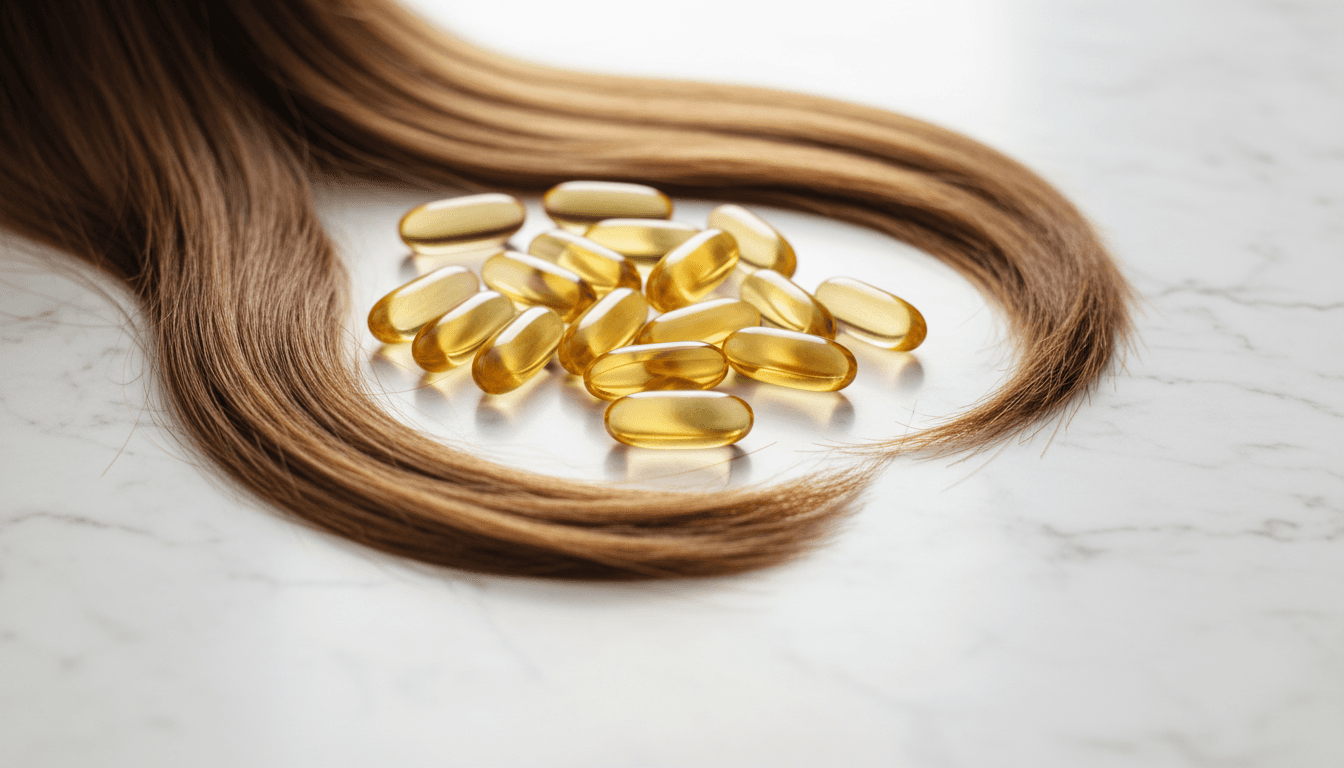
Table of contents
Biotin — also known as vitamin B7 or vitamin H — is everywhere. In the supplement aisle, on Instagram, in 'hair, skin & nails' gummies. It's the most recommended supplement for hair loss, and the market is worth billions. But does biotin actually help against hair loss? Or are we all throwing money at something that only works in very specific cases?
Spoiler: the truth is more nuanced than both the supplement industry and the skeptics want you to believe. Let's dive into the science.
What is biotin, actually?
Biotin is a water-soluble B-vitamin (B7) that plays a role in the metabolism of fats, carbohydrates, and amino acids. It's essential for the production of keratin — the protein that makes up your hair, nails, and skin. Your body cannot make biotin itself; it comes from food (eggs, nuts, whole grains, liver) and is also produced by bacteria in your gut.
The recommended daily intake is 30-100 mcg. Most people easily get this through normal nutrition. A genuine biotin deficiency is rare in healthy adults — but more on that later.
What does the science say? The uncomfortable truth
Here's where things get interesting — and for many people, disappointing.
Patel et al. (2017) conducted a systematic review of all available literature on biotin and hair loss. Their conclusion: there is insufficient evidence to recommend biotin supplementation for hair growth in people without a documented biotin deficiency. The studies that did show positive results almost always involved patients with an existing deficiency or a rare metabolic condition.
Almohanna et al. (2019) published a comprehensive review of the role of vitamins and minerals in hair loss. Their finding: biotin supplementation is only justified when there is a demonstrated deficiency. 'Routine supplementation in people with normal biotin levels is not supported by evidence.'
Lipner (2018) went even further and argued that the widespread recommendation of biotin for hair, skin, and nails is largely unfounded. She pointed out that the majority of studies cited by supplement manufacturers are case reports of people with deficiencies — not randomized, controlled trials in healthy individuals.
Biotine & haargroei
Wat zegt het onderzoek?
Geen bewijs bij gezonde mensen
Patel et al. (2017) — systematische review
Alleen bij aantoonbaar tekort
Almohanna et al. (2019) — review vitamines & haaruitval
Tekort is zeldzaam
Gemiddeld westers dieet levert voldoende biotine
In plain language: there is no convincing scientific evidence that biotin supplements help against hair loss in people who are not deficient. And the vast majority of people are not deficient.
When biotin does work: the deficiency story
This doesn't mean biotin never works. In people with a genuine biotin deficiency, supplementation can lead to clear improvements in hair, skin, and nails. But a biotin deficiency is rare — it mainly occurs in:
- People with biotinidase deficiency (a rare genetic condition)
- Pregnant and breastfeeding women (higher demand)
- People on long-term anticonvulsant medication
- People with chronic alcohol use
- People with severe intestinal conditions (Crohn's, short bowel)
- People who eat large amounts of raw egg whites (avidin binds biotin)
If you fall into one of these categories, it's worth getting tested. For everyone else: you're almost certainly getting enough biotin through your regular diet.
Why is biotin so popular then?
If the science is this meager, why is biotin the bestselling hair supplement worldwide? Several reasons:
- The placebo effect. When you actively do something about a problem (taking a pill every day), you feel better about it. You pay more attention to your hair, you look more carefully. Subjective improvement doesn't always equal objective improvement.
- Unregulated supplement market. Supplements don't need to prove effectiveness like medications do. Manufacturers can claim 'contributes to normal hair growth' because biotin does play a role in keratin production — even though that's true only at the biochemical level and says nothing about reversing hair loss.
- Influencer marketing. Hair vitamins are an easy sell: low price point, recurring purchase, photogenic packaging. The commissions are high, and the claims are vague enough to be technically legal.
- Low cost, low barrier. €10-20 per month for a bottle of pills feels like a harmless gamble. Even if it doesn't work, you haven't lost much. Right?
The risks nobody mentions
'But it's just a vitamin — what's the harm?' This is the most common defense, and it's not entirely accurate.
The FDA issued a warning in 2017 that high doses of biotin can cause clinically significant interference with laboratory tests. Specifically:
- Troponin — the test for heart attack. Biotin can give false-low results, meaning a heart attack could be missed.
- TSH (thyroid) — false-low values can lead to incorrect Graves' disease diagnosis and unnecessary treatment.
- PSA (prostate) — interference can mask prostate cancer.
- Ferritin (iron stores) — can give incorrect values.
This isn't theoretical: the FDA issued this warning after reports of at least one death related to false troponin results in a patient taking biotin supplements.
A false sense of security. This may be even more dangerous. If you're taking biotin and think 'I'm doing something about my hair loss,' you may delay treatments that actually do work. And with hair loss, time is your biggest enemy — every month you wait, there are follicles that become harder to save.
What does work? Proven alternatives
If biotin isn't the answer for 95%+ of people with hair loss, what is? Here are the treatments with actual clinical evidence:
- Finasteride/dutasteride — the only treatments that directly block the cause (DHT). Proven effective in large-scale RCTs. Dutasteride blocks 90-98% of DHT (Zhou et al., 2019).
- Minoxidil — FDA-approved, stimulates blood flow to scalp. Works independently of the cause. Must be applied daily, forever.
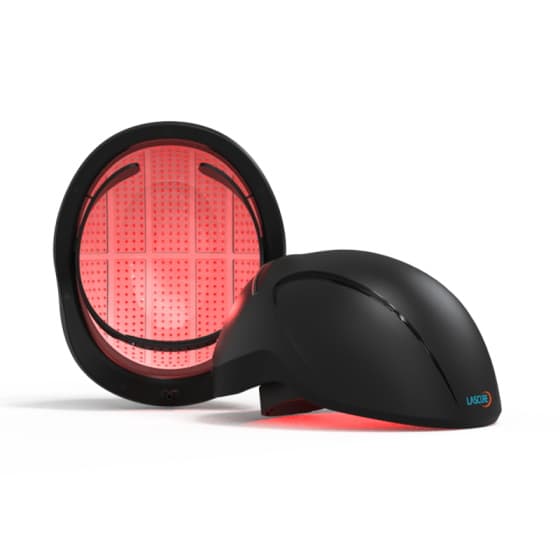
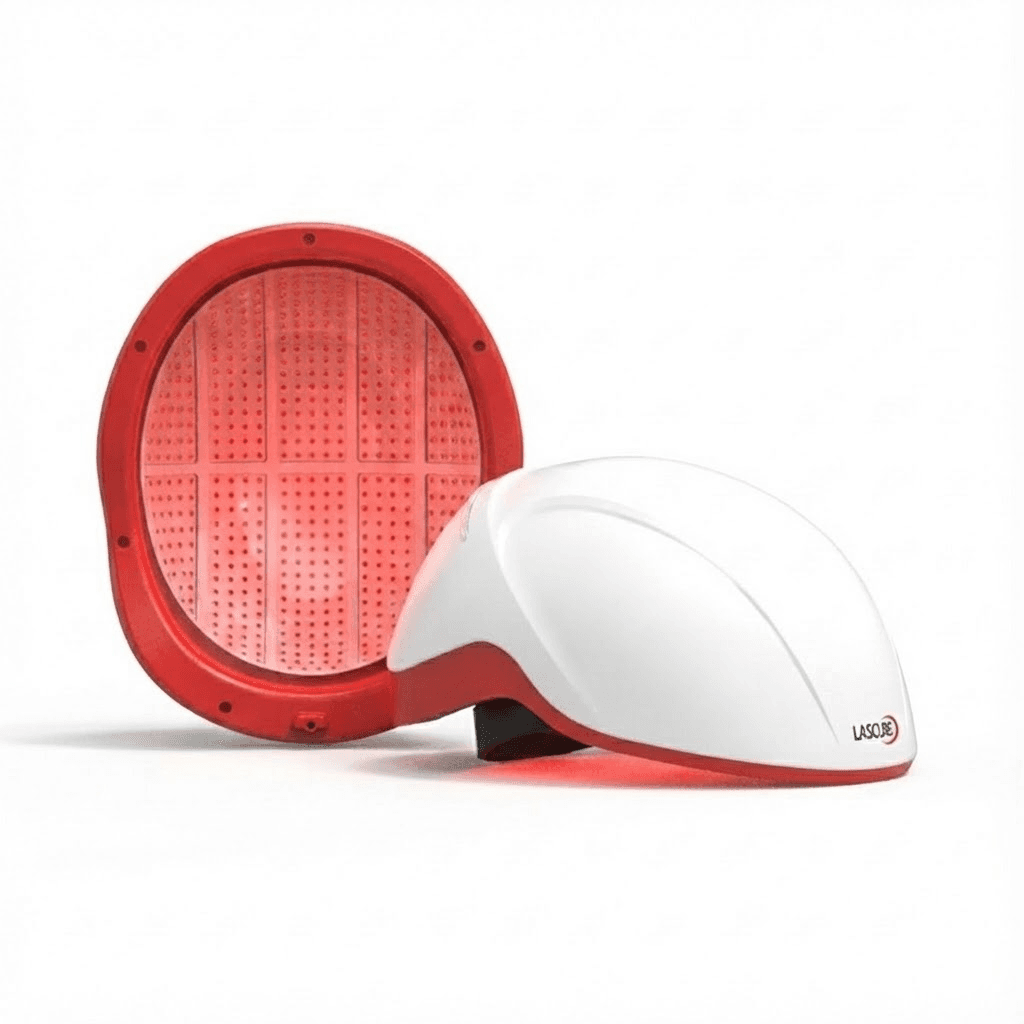
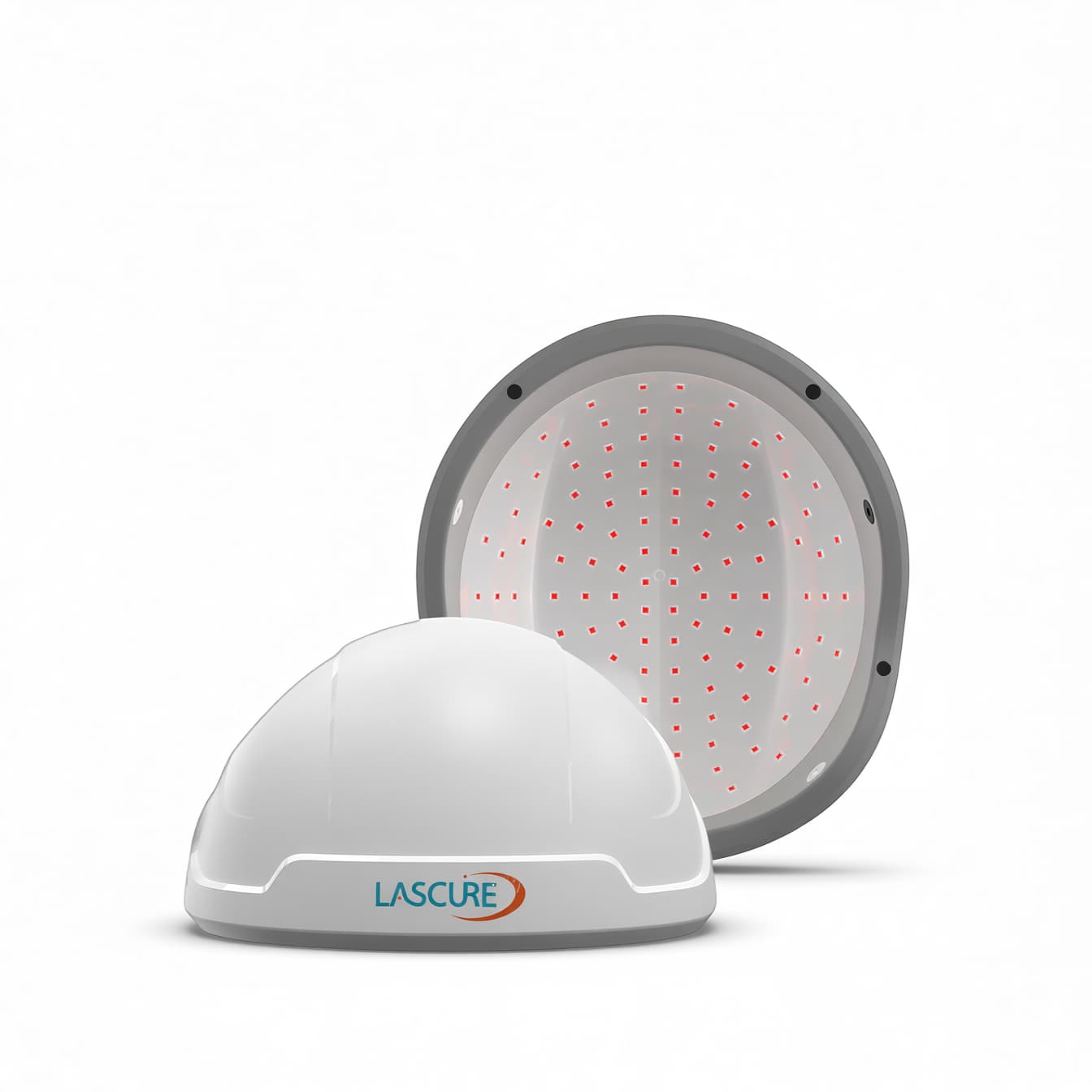
- LLLT (laser helmet) — stimulates hair follicles with red light (650-670 nm). Meta-analysis by Afifi et al. (2017) confirms statistically significant increase in hair density. No side effects, one-time investment. Read more about the science behind LLLT.
- Hair transplant — the most effective treatment for advanced hair loss. Expensive, but permanent. Compare LLLT vs transplant.
Biotine supplementen vs. LLLT lichttherapie
Biotine supplementen
Onbewezen bij gezonde mensen
- Geen bewijs bij gezonde mensen
- Kan laboratoriumtests verstoren
- Doorlopende kosten (€120-240/jaar)
LLLT lichttherapie
Klinisch bewezen effectief
- 11 RCTs bevestigen effectiviteit
- Geen bijwerkingen
- Eenmalige investering (€599-1.399)
All of these treatments have something biotin doesn't: randomized, controlled clinical trials demonstrating effectiveness in people without a nutrient deficiency.
My advice: blood work first, supplement after
If you're considering biotin for your hair, here's what I recommend:
- Step 1: See your doctor for blood work. Check biotin, iron (ferritin), zinc, vitamin D, and thyroid values. If something is low, supplement specifically for that deficiency.
- Step 2: If your blood work is normal (as it is for 95%+ of people), biotin is not going to help your hair. Invest your money in a treatment with actual evidence.
- Step 3: If you do have a biotin deficiency, supplement in consultation with your doctor and recheck after 3 months.
And if you want to take biotin 'just to be sure'? Make sure to tell your doctor before any blood tests. Stop taking it at least 72 hours before lab work to avoid interference.
Summary
- Biotin is essential for keratin production, but a deficiency is rare
- There is no convincing evidence that biotin helps with hair loss in non-deficient people
- High doses can interfere with critical medical lab tests (troponin, TSH, PSA)
- The supplement industry profits from vague claims and the placebo effect
- Proven alternatives: LLLT, finasteride/dutasteride, minoxidil, hair transplant
Conclusion
Biotin is not the miracle supplement the industry makes it out to be. For the vast majority of people with hair loss, it simply doesn't work — because you're not deficient. The money you spend on biotin pills every month is better invested in a treatment with actual clinical proof.
Does your hair loss concern you? Start with a doctor's visit for blood work and a diagnosis. Then choose a treatment that matches your situation — here you'll find a complete comparison of proven methods.
Want to know which Lascure laser helmet suits you? Take the product quiz for personalized advice.
Products mentioned in this article
More articles
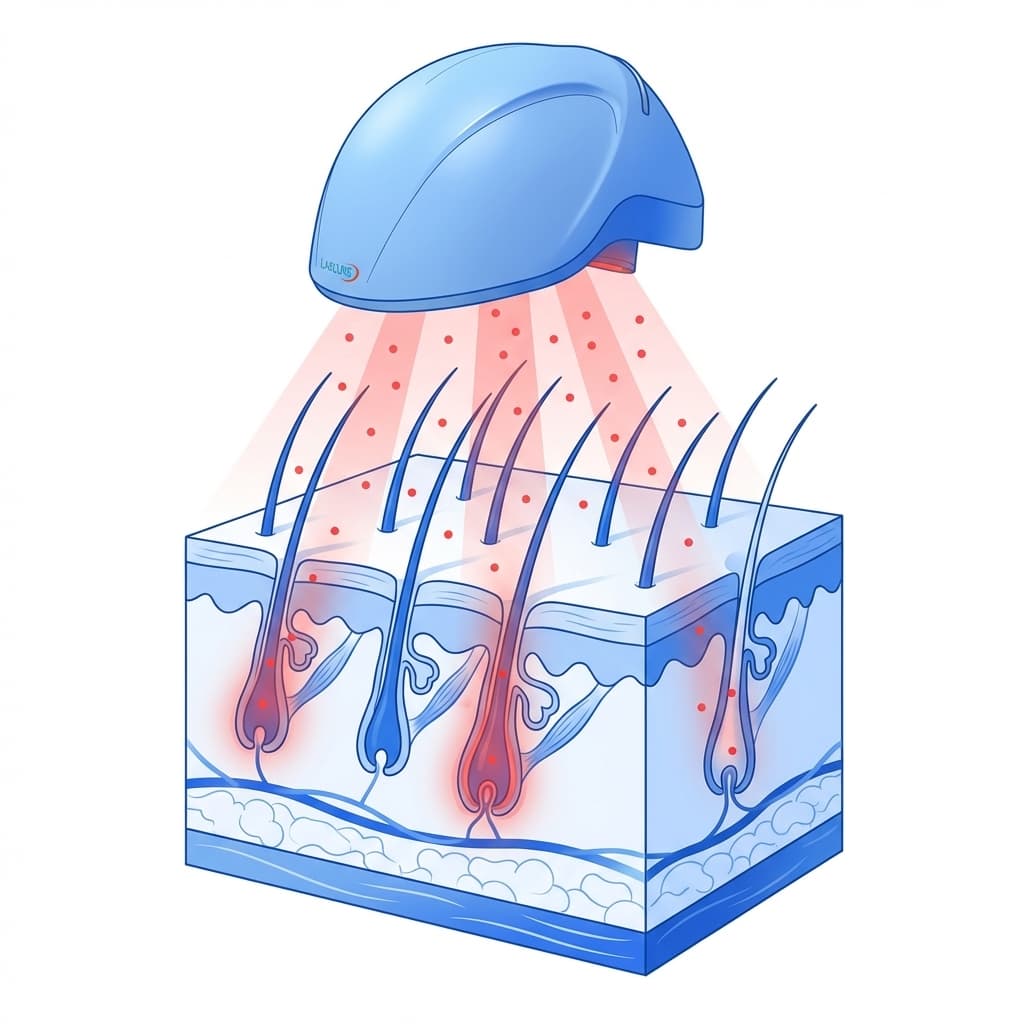
Do laser helmets really work against hair loss? What science says
Discover what clinical research says about laser helmets for hair loss. An honest, science-backed analysis without overclaims.
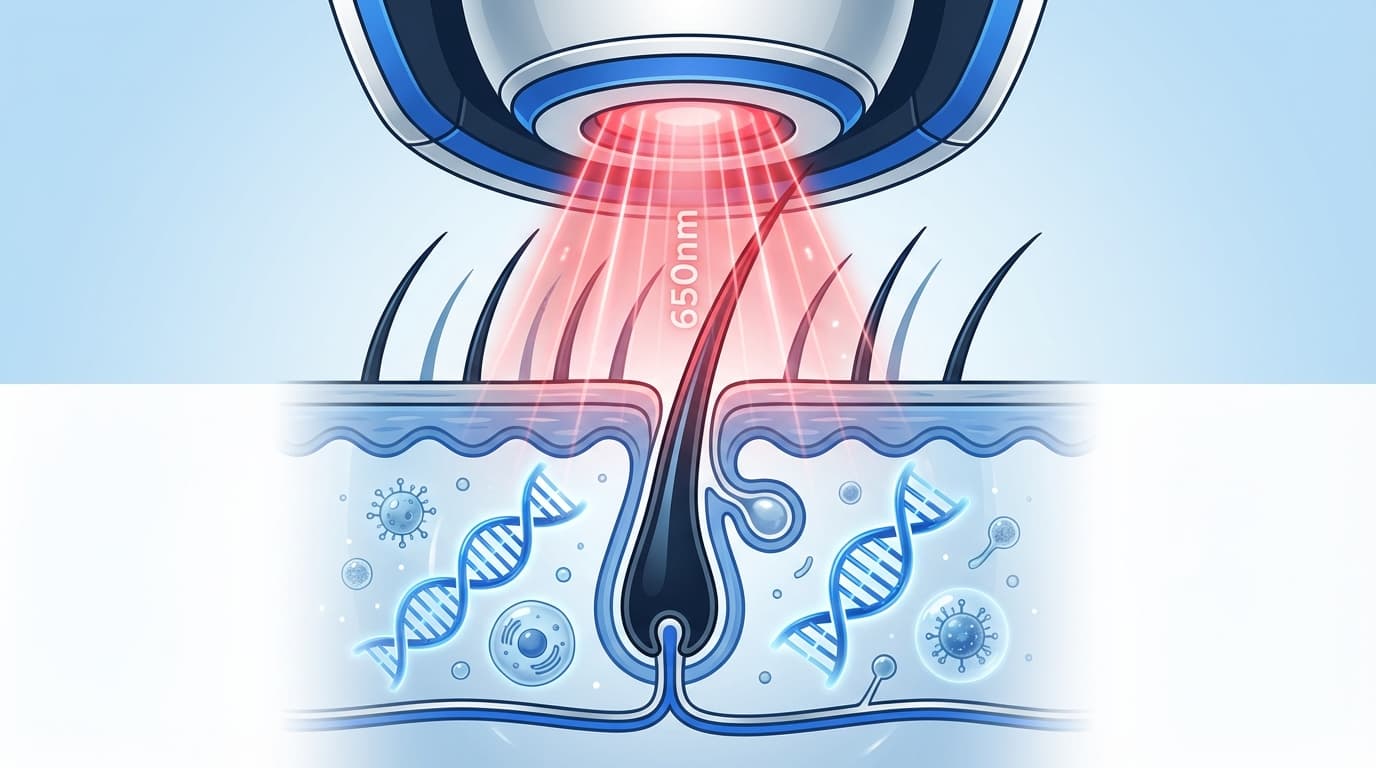
Stop Hair Loss: 6 Proven Methods Honestly Compared
Your hair is thinning and you want to do something about it. But what actually works? We compare six treatments — from hair transplants to DHT blockers — on effectiveness, cost, and what you can realistically expect.
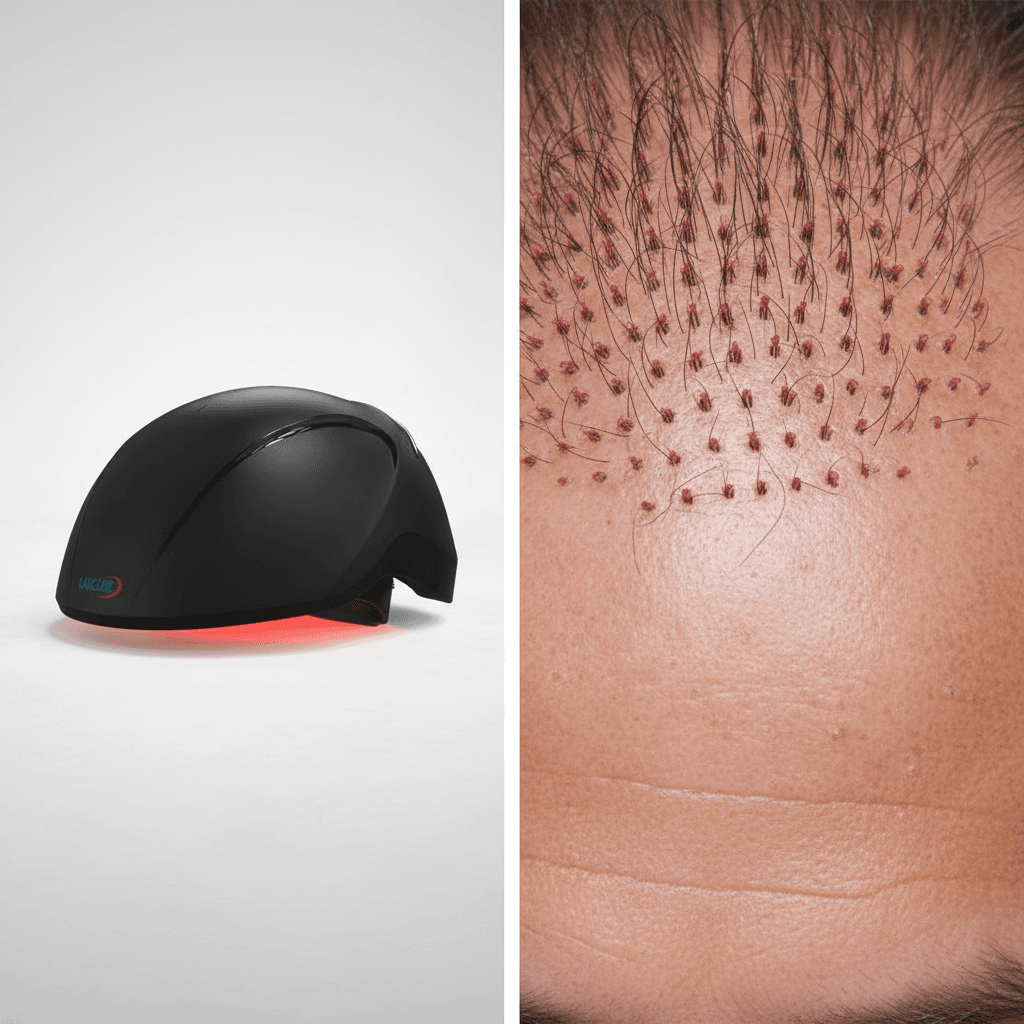
LLLT vs hair transplant: which is better for you?
A hair transplant delivers the most visible results, but costs thousands and requires surgery. A laser helmet works more gradually, but without cutting, without side effects, and at a fraction of the price. Which is the right choice?